
5 Faedah Terbaik Menggunakan Kateter Perubatan untuk Pesakit dan Penyedia Penjagaan Kesihatan
1. Meningkatkan Keselesaan Pesakit dan Mengurangkan Trauma Mukosa
moden kateter perubatan mengutamakan keselesaan pesakit melalui bahan termaju dan kejuruteraan permukaan. Salutan hidrofilik, seperti PTFE atau polyvinylpyrrolidone, mengurangkan geseran dengan ketara semasa pemasukan dan penyingkiran, secara langsung meminimumkan trauma mukosa dan kesakitan pesakit. Kajian klinikal secara konsisten menunjukkan bahawa pesakit yang menggunakan kateter bersalut hidrofilik melaporkan skor kesakitan yang jauh lebih rendah semasa kedua-dua kemasukan dan pengeluaran berbanding dengan peranti tidak bersalut konvensional.
Untuk prosedur ginekologi dan ketidaksuburan, kateter dengan hujung atraumatik bulat dan bahan polimer lembut (cth., Pebax atau silikon) direka bentuk untuk meluncur melalui struktur pembiakan yang halus tanpa menyebabkan lelasan atau pendarahan epitelium. Ini amat kritikal dalam campur tangan tiub fallopio, di mana memelihara epitelium bersilia adalah penting untuk konsep semula jadi dan kesihatan reproduktif jangka panjang.
- Pekali geseran dikurangkan sehingga 85% berbanding kateter tidak bersalut, yang membawa kepada navigasi yang lebih lancar.
- Insiden pendarahan yang lebih rendah dan ketidakselesaan selepas prosedur, yang meningkatkan pematuhan pesakit untuk prosedur susulan.
- Pengalaman pesakit keseluruhan bertambah baik , metrik utama dalam model penjagaan kesihatan berasaskan nilai.
2. Peningkatan Kecekapan Prosedur dan Masa Operasi Lebih Pendek
Kecekapan adalah kelebihan utama untuk tetapan klinikal yang sibuk. Kateter direka dengan sistem dwi-lumen atau sepaksi benarkan operasi serentak atau berurutan—seperti kemajuan wayar panduan dan suntikan kontras—tanpa memerlukan pertukaran peranti berulang. Reka bentuk ini memendekkan masa prosedur dengan ketara dan mengurangkan beban kognitif pada pengendali.
Dalam radiologi intervensi dan perubatan reproduktif, prosedur yang secara tradisinya memerlukan 25-35 minit kini boleh diselesaikan dalam 12–18 minit secara purata apabila menggunakan kit kateter yang dioptimumkan. Kecekapan ini bukan sahaja meningkatkan daya pengeluaran pesakit tetapi juga mengurangkan keletihan kakitangan dan meminimumkan risiko pencemaran daripada entri peranti berbilang.
- Lebih sedikit pertukaran peranti mengurangkan risiko terkeluar secara tidak sengaja dan embolisme udara.
- Visualisasi masa nyata melalui penanda radiopaque menghapuskan tekaan, membolehkan pengendali menumpukan pada pembuatan keputusan klinikal dan bukannya manipulasi peranti.
- Aliran kerja yang dipertingkatkan secara langsung menyumbang kepada penjimatan kos setiap prosedur dan penggunaan sumber bilik operasi yang lebih baik.
3. Ketepatan dalam Diagnosis dan Terapi Sasaran
Salah satu faedah yang paling berkesan bagi kateter lanjutan adalah keupayaan mereka untuk menyampaikan kedua-dua fungsi diagnostik dan terapeutik dengan ketepatan submilimeter . Dalam kanulasi terpilih, sebagai contoh, kateter yang dilengkapi dengan wayar panduan boleh kemudi boleh mengakses struktur anatomi tertentu—seperti ostium tiub—yang sebaliknya tidak boleh dicapai dengan peranti konvensional.
Ketepatan ini penting untuk membezakan antara halangan mekanikal sebenar dan kekejangan sementara , cabaran biasa dalam latihan ketidaksuburan. Dengan membenarkan suntikan kontras terpilih pada tekanan terkawal, kateter ini mengurangkan kadar positif palsu dan mengelakkan rujukan pembedahan yang tidak perlu, akhirnya meningkatkan ketepatan diagnostik dan perancangan rawatan.
- Ketepatan diagnostik bertambah baik daripada kira-kira 68% (dengan histerosalpingografi konvensional) kepada lebih 92% dengan teknik kateterisasi terpilih.
- Penghantaran yang disasarkan agen anti-radang atau trombolytik terus ke tapak lesi memaksimumkan faedah terapeutik sambil meminimumkan kesan sampingan sistemik.
- Keperluan berkurangan untuk kajian pengimejan berulang, mengurangkan pendedahan radiasi dan kos penjagaan kesihatan keseluruhan.
4. Tumpuan pada Inovasi: Kit Kateter Salpingografi Terpilih oleh Anjun Medical
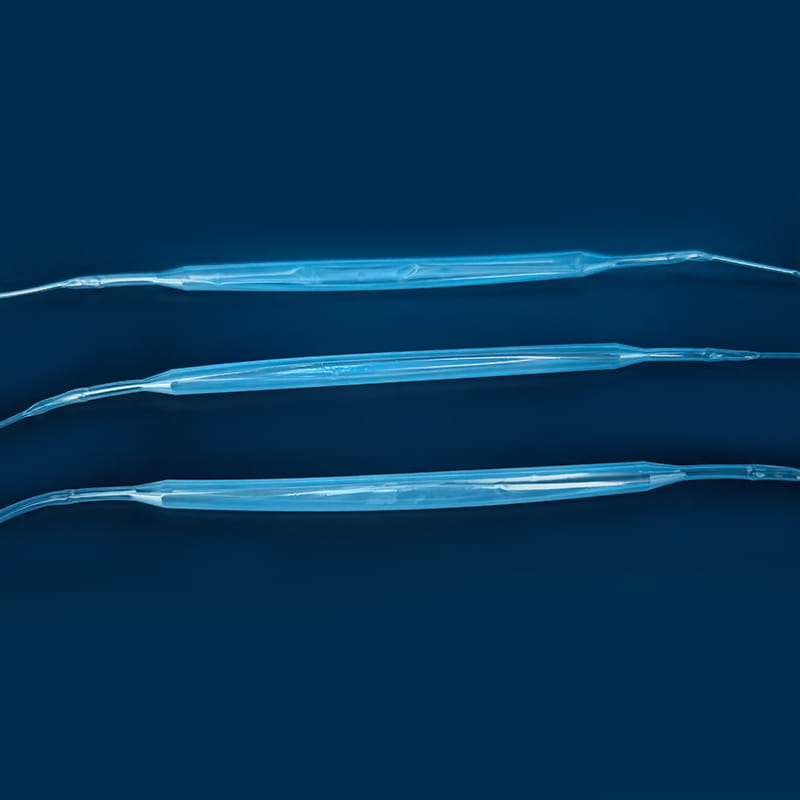
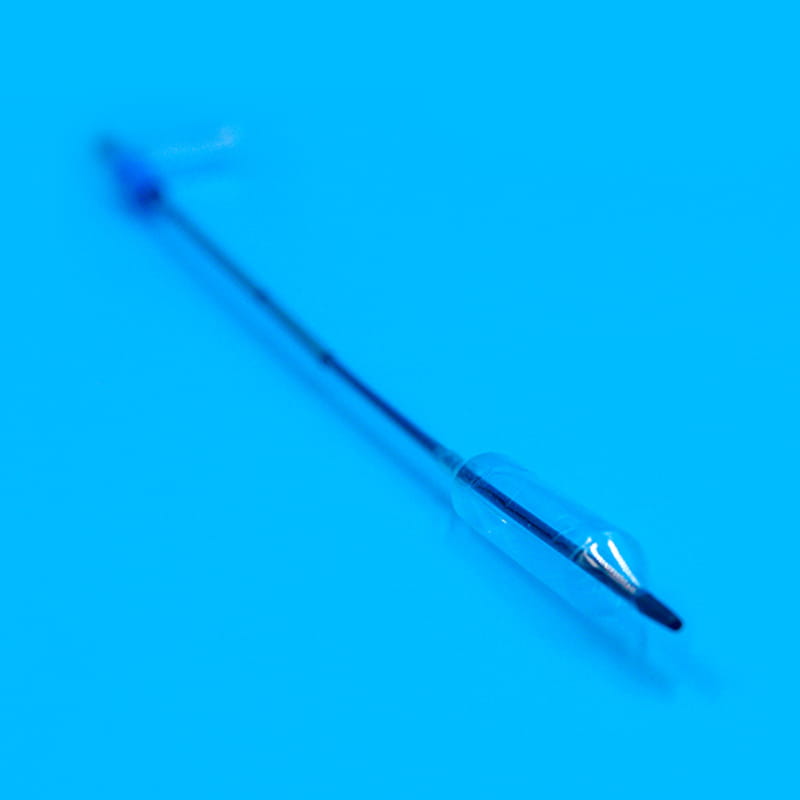
Dalam bidang perubatan reproduktif, the Kit Kateter Salpingografi Terpilih dikeluarkan oleh Anjun Medical Technologies (Suzhou) Co., Ltd. menunjukkan penumpuan reka bentuk berpusatkan pesakit dan kecemerlangan prosedur. Peranti perubatan Kelas II steril sekali guna ini dibuat dengan kanula luar Pebax/silikon kuning yang menampilkan penanda radiopaque dan hujung atraumatik bulat untuk melindungi endometrium dan epitelium tiub yang halus.
Kit menyepadukan a wayar panduan hidrofilik bersalut PTFE biru dengan hujung melengkung pra-bentuk, membolehkan kanulasi tepat ostium tiub fallopio. Tapak dwi-salurannya (hab penguncian logam untuk media kontras dan port sisi untuk wayar panduan) membolehkan operasi bebas suntikan dan manipulasi wayar, secara drastik mengurangkan keperluan untuk pertukaran instrumen semasa histerosalpingografi dan penyusunan semula tiub terpilih.
Video: Kit Kateter Salpingografi Terpilih dalam Penggunaan Klinikal
Kit kateter ini digunakan secara meluas dalam Suite intervensi DSA dan histeroskopi , menawarkan keterlihatan X-ray masa nyata kepada doktor sepanjang keseluruhan kateter dan wayar panduan. Pengasingan dua lumen menghalang kebocoran kontras, dan peranti ini serasi dengan diameter luar 5Fr/6Fr/7Fr untuk menampung anatomi tiub yang berbeza-beza. Ia ditunjukkan untuk salpingografi terpilih, rekanalisasi tiub, dan suntikan ubat intrauterin, dengan profil keselamatan yang kukuh ditunjukkan dalam pelbagai aplikasi klinikal.
5. Keselamatan, Penyeragaman dan Kejadian Buruk yang Dikurangkan
Keselamatan kekal sebagai asas kepada mana-mana penilaian peranti perubatan. Kateter moden dihasilkan di bawah sistem pengurusan kualiti yang ketat dan mematuhi piawaian antarabangsa seperti ISO 10993 untuk biokompatibiliti dan YY/T 1554 (untuk kateter tiub). Ciri-ciri seperti penanda radiopaque , antara muka penyambung licin, dan sistem tertutup untuk manipulasi wayar panduan dengan ketara mengurangkan kejadian penembusan, kebocoran dan jangkitan.
Data daripada pendaftaran berbilang pusat menunjukkan bahawa menggunakan kit kateter khusus dengan sarung pengedap bersepadu mengurangkan ekstravasasi sederhana kontras insiden lebih daripada 70% dan hampir menghapuskan kesemutan atau pecah kateter semasa navigasi terkawal tork, memastikan pengalaman yang lebih selamat untuk kedua-dua pesakit dan pengendali.
- Petua tidak traumatik meminimumkan risiko penembusan rahim (kadar di bawah 0.2% di tangan yang berpengalaman).
- Pelabuhan wayar panduan yang dimeterai menghalang aliran balik kontras, mengekalkan integriti medan steril sepanjang prosedur.
- Reka bentuk sekali guna menghapuskan risiko pencemaran silang, faktor kritikal dalam pemeliharaan kesuburan dan kawalan jangkitan.
6. Gambaran Keseluruhan Perbandingan: Manfaat Teras Sekilas Pandang
7. Aliran Kerja Biasa dengan Kit Kateter Terpilih
Urutan diperkemas ini, didayakan oleh kit Anjun, mengurangkan langkah operasi dan menambah baik kawalan operator.
8. Soalan Lazim (FAQ)
Kesimpulan: Lima faedah yang dibincangkan—keselesaan yang dipertingkatkan, kecekapan prosedur, ketepatan diagnostik, terapi yang disasarkan dan keselamatan yang unggul—bukan sekadar teori. Mereka disahkan oleh data klinikal dan pengalaman dunia sebenar. Peranti seperti Kit Kateter Salpingografi Selektif daripada Anjun Medical Technologies (Suzhou) Co., Ltd. mewujudkan kelebihan ini, menawarkan penyedia penjagaan kesihatan alat yang boleh dipercayai dan mesra pesakit yang meningkatkan hasil dan mengoptimumkan penggunaan sumber. Menerima teknologi sedemikian adalah pelaburan strategik dalam kedua-dua kualiti penjagaan dan kecemerlangan operasi.
For more information, please call us at +86-18913710126 or email us at .
Tiub polimida telah menjadi sangat diperlukan dalam kejuruteraan peranti perubatan moden. ...
Memahami FEP Guidewire Protective Sheath Tubing Prosedur perubatan invasi...
A tiub pam peristaltik perubatan ialah komponen pemindahan cecair khusus yang direk...
Evolusi Teknologi Visualisasi Kateter Prosedur invasif minima secara asasnya telah mengu...
Memahami Kateter Perubatan dalam Penjagaan Kesihatan Moden Peranti perubatan telah merev...
Kateter lurus mencapai sebahagian besar saluran pernafasan, tetapi sentimeter terakhir ke da...